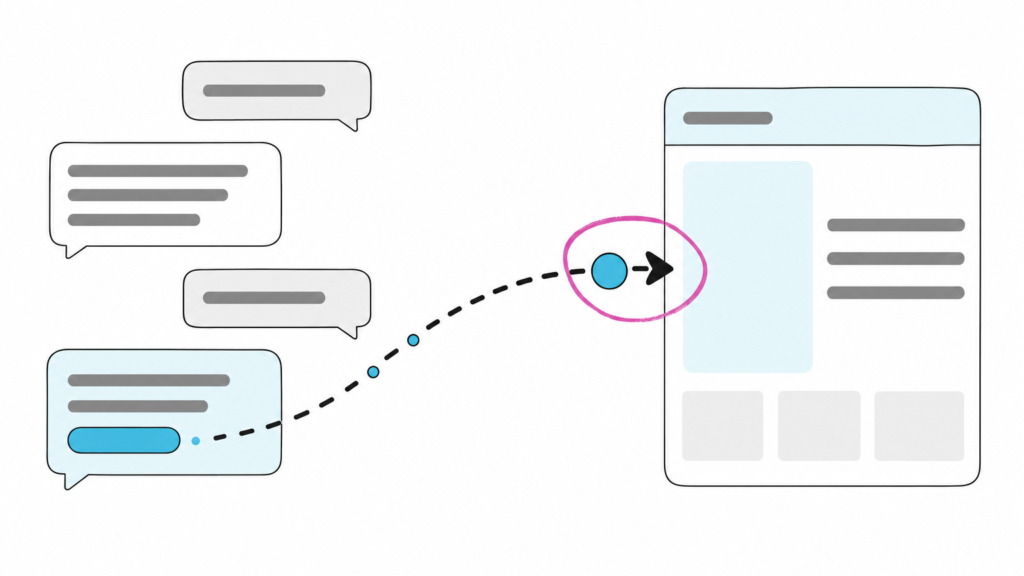
Google and Bing each document a report on how your site appears in AI answers, and the pages this post cites for those reports do not name ChatGPT. Bing’s AI Performance report in Bing Webmaster Tools counts citations of your content across Microsoft Copilot, AI-generated summaries in Bing, and select partner integrations. Search Console’s generative AI performance report counts impressions: how many times links to your site were shown to a user in AI Overviews and AI Mode. For ChatGPT itself, three signals you can read yourself are visits, crawler activity and the answers.
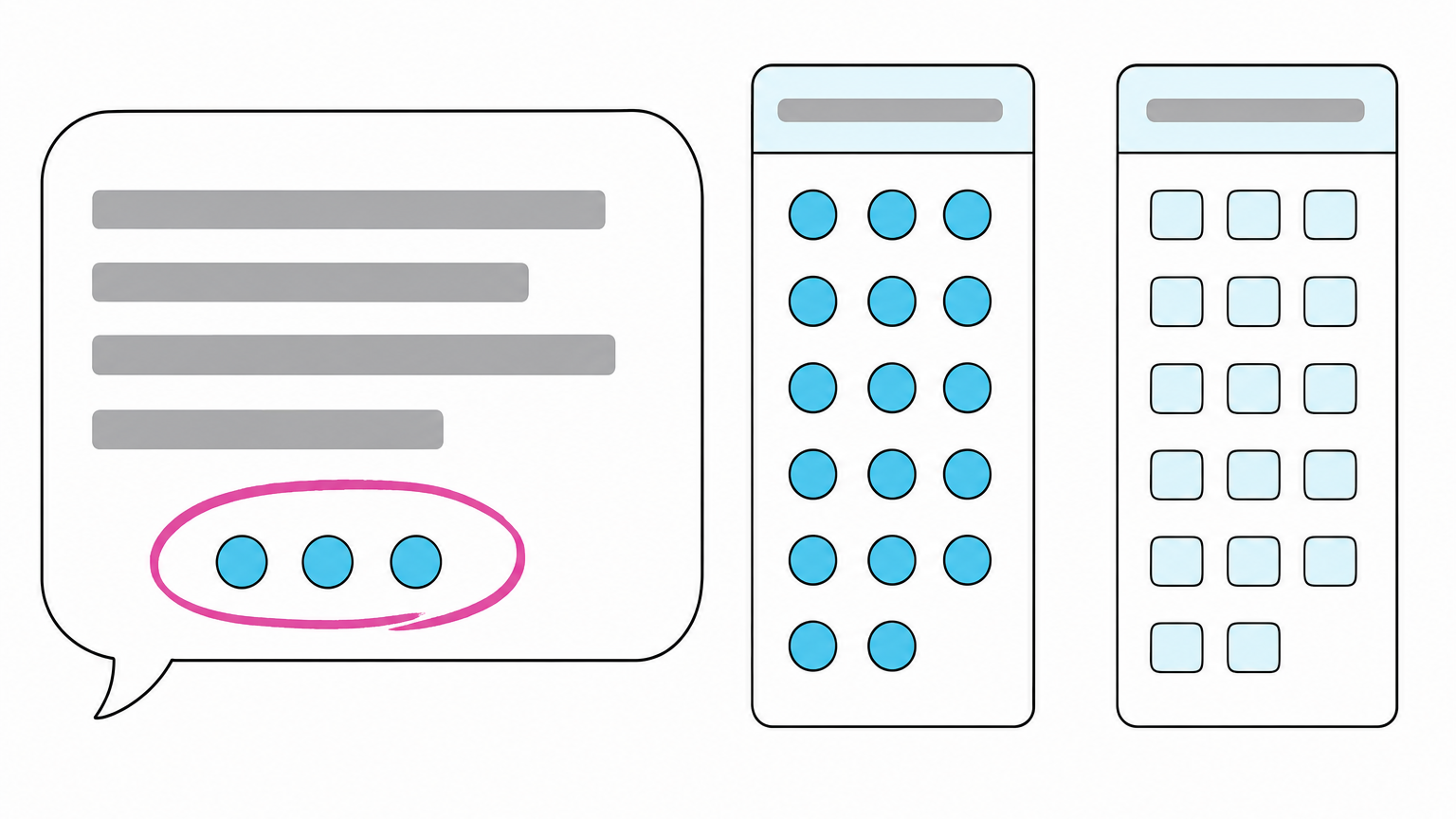
If an owner has asked whether ChatGPT is citing the company, that answer is going into a meeting. Bing and Google now document these reports. A Bing citation count or a Google impression count carried into that meeting as “ChatGPT cited us” answers a question neither report asks. That label leads the owner to the wrong conclusion about what ChatGPT said and whether it recommended the company.
What does Bing’s AI Performance report show?
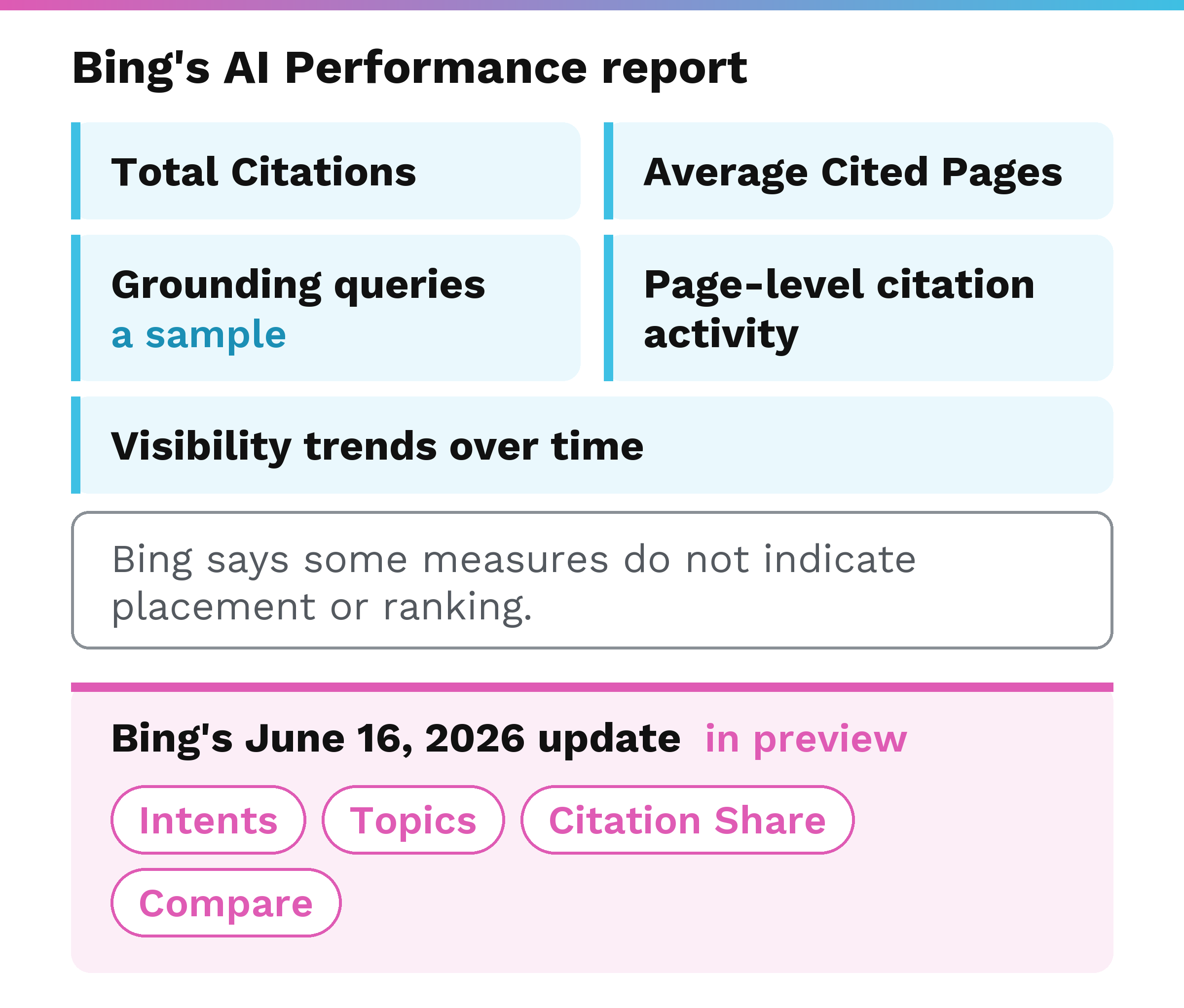
Bing introduced AI Performance in Bing Webmaster Tools in a post dated February 10, 2026, calling it a public preview. Bing describes it as “a new set of insights that shows how publisher content appears across Microsoft Copilot, AI-generated summaries in Bing, and select partner integrations.” Bing does not name the partners.
The measures, in Bing’s own names:
- Total Citations: Bing’s definition reads: “Shows the total number of citations that are displayed as sources in AI-generated answers during the selected time frame,” and Bing adds that it counts them “without indicating placement or presentation within a specific answer.”
- Average Cited Pages: the average number of unique pages from your site displayed as sources in AI-generated answers per day over the selected time range. Bing says this measure “does not indicate ranking, authority, or the role of any page within an individual answer.”
- Grounding queries: the key phrases the AI used when it went looking for content to support its answer. Bing calls these “a sample of overall citation activity.”
- Page-level citation activity: citation counts for specific URLs from your site.
- Visibility trends over time: a timeline of how citation activity for your site changes.
In Bing’s June 16, 2026 update, Bing added four capabilities in preview: Intents, Topics, Citation Share, and Compare. Citation Share is your site’s portion of the citations shown for one specific grounding query. Bing notes that it does not “represent traffic share.”
Bing cautions that “Citation patterns can shift due to changes in user behavior, evolving models, freshness signals, partner refresh cycles, and broader changes across the web itself.” The post on AI citation volatility walks through what shifting citation patterns mean for a site.
What does Search Console’s generative AI performance report show?
Search Console’s generative AI performance report was introduced in Google’s June 3, 2026 announcement. Google’s Help page adds, “As of August 31, 2026, we’ve rolled out these insights to all websites worldwide.”
The report counts impressions: “how many times links to your site were shown to a user in a generative AI feature on Google Search.” The features it covers are AI Overviews, an AI-generated snapshot with key information and links to dig deeper, and AI Mode, which Google describes as giving AI-powered responses with links to the web. Google expects to update the list of features over time.
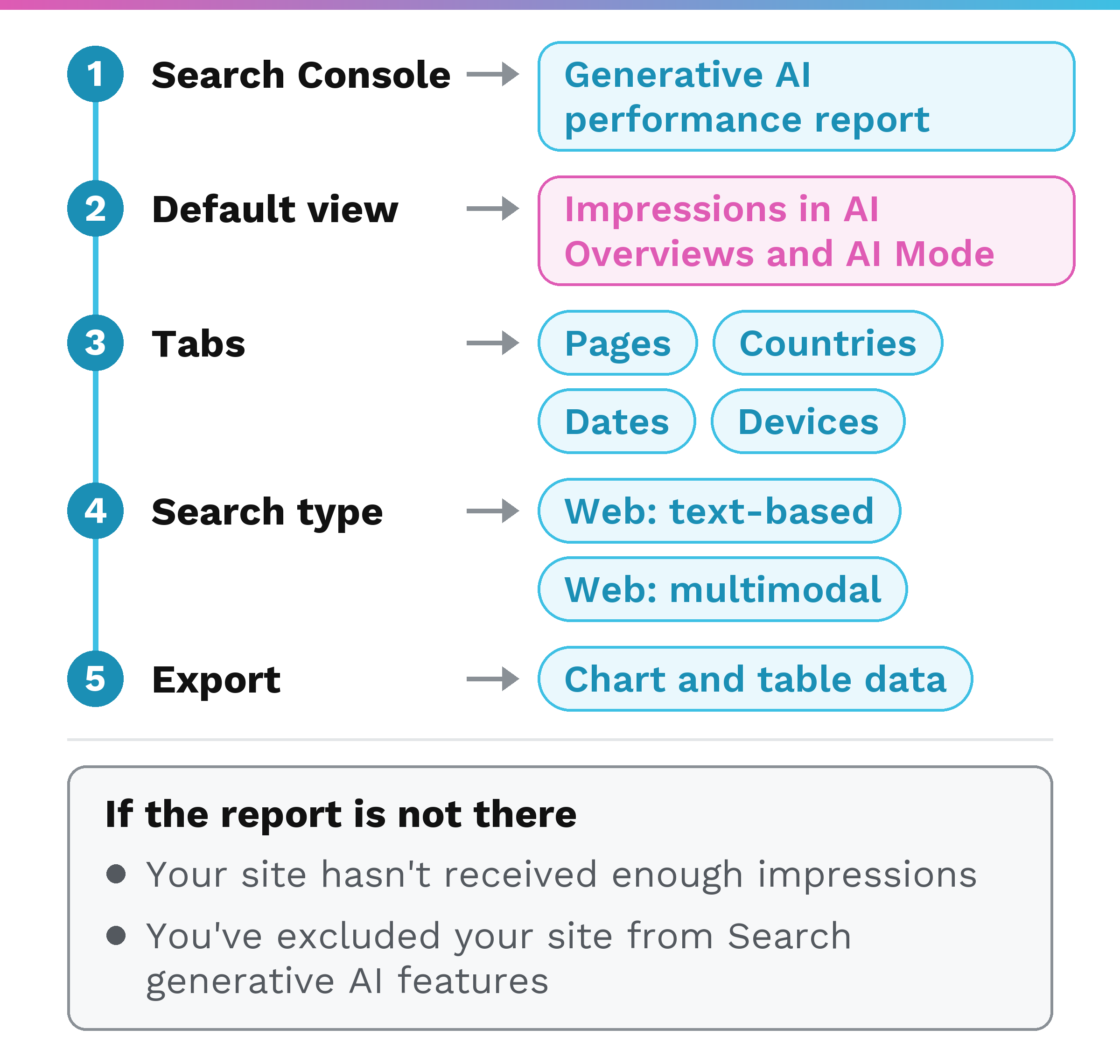
You can follow these steps, drawn from Google’s Search Console Help page for the report:
- Sign in to Search Console and select the Help page’s link “Open the Generative AI performance report.”
- Begin with the default view showing impression data for your site in supported features.
- Change the view with the tabs above the table: Pages (the final URL after any redirects), Countries, Dates (Pacific Time Zone), and Devices.
- Filter by search type using the filter at the top of the report: Web: text-based for searches typed into the standard Google search bar, or Web: multimodal for searches made with images.
- Export the chart and table data if you need it outside Search Console.
If the report is not there, the Help page gives two possible reasons. “This usually happens when your site hasn’t received enough impressions in generative AI features on Google Search.” Or “This may be because you’ve excluded your site from Search generative AI features.” Google’s Search generative AI control page places the setting under Settings > Search generative AI in Search Console.
How are Bing citations and Google impressions different?
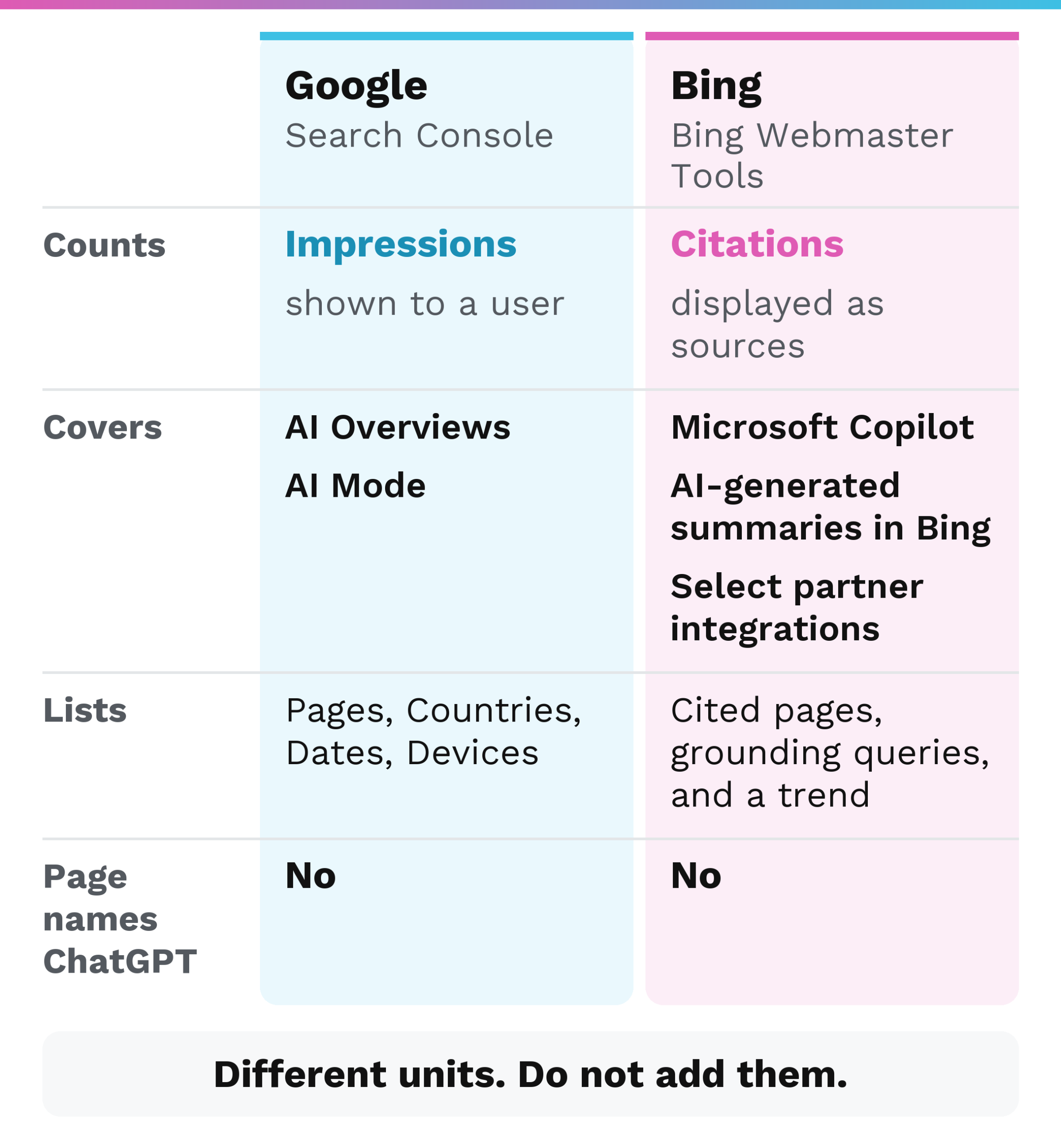
Bing counts citations “displayed as sources in AI-generated answers.” Google counts impressions, how many times links to your site were “shown to a user” in AI Overviews and AI Mode. The two units are not the same thing, and the pages this post cites do not relate one to the other. Do not add them, compare them, or convert one into the other. Google’s report counts impressions, not citations.
Do Google’s or Bing’s reports name ChatGPT?
Bing’s two posts, Google’s Help page, and Google’s announcement do not name ChatGPT. Bing’s February post names Microsoft Copilot, AI-generated summaries in Bing, and select partner integrations. Google’s Help page names AI Overviews and AI Mode. Bing does not say who its partner integrations are, so this post cannot say whether ChatGPT is among them. These four pages do not label any figure as ChatGPT’s.
What can you check about ChatGPT yourself?
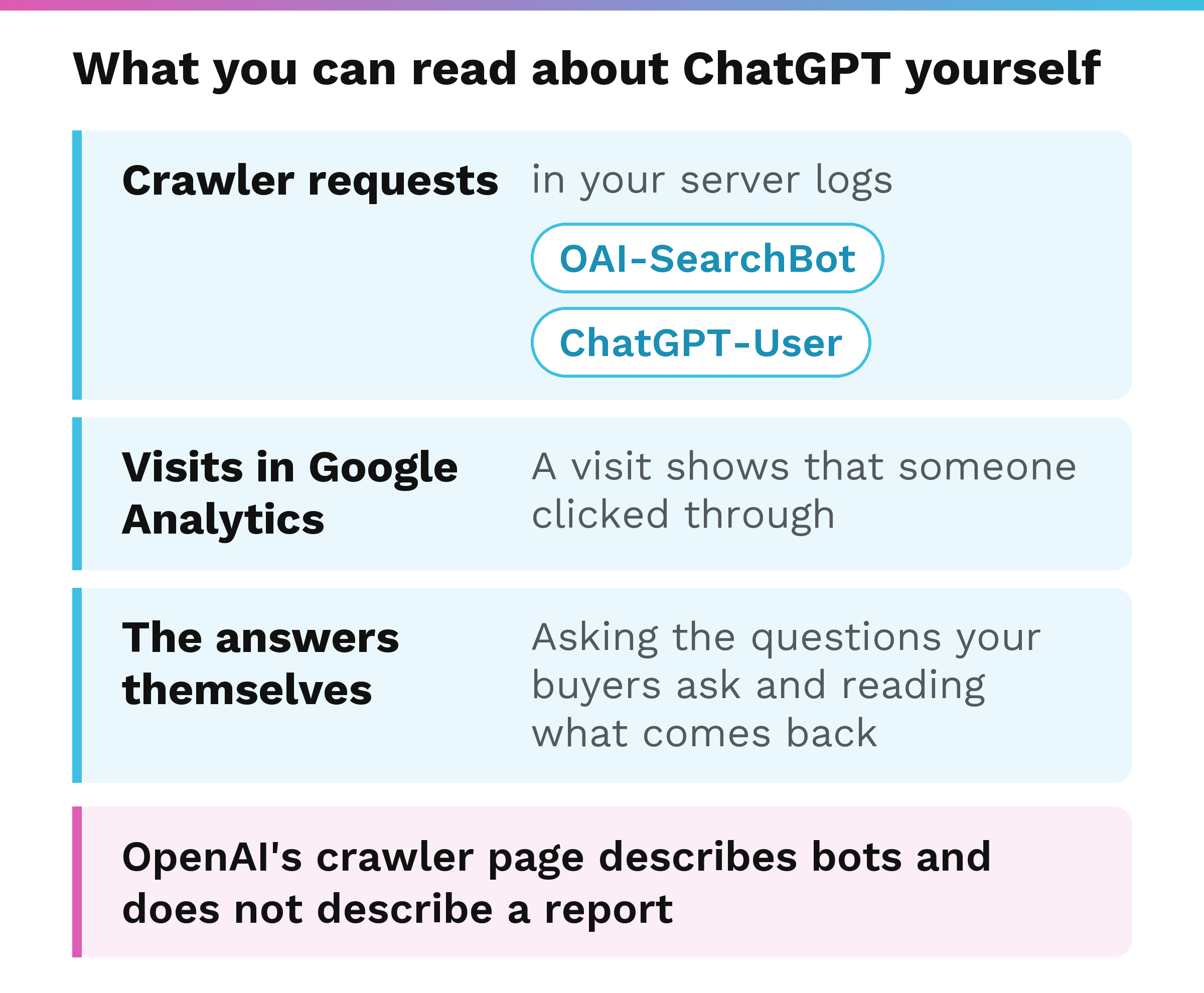
A crawler is an automated program that requests pages from websites. OpenAI’s Overview of OpenAI Crawlers page explains how its crawlers operate. For OAI-SearchBot, the page says, “OAI-SearchBot is used to surface websites in search results in ChatGPT’s search features.” The same page states, “Sites that are opted out of OAI-SearchBot will not be shown in ChatGPT search answers, though can still appear as navigational links.” ChatGPT-User is described differently: “When users ask ChatGPT or a CustomGPT a question, it may visit a web page with a ChatGPT-User agent.” The page adds, “ChatGPT-User is not used for crawling the web in an automatic fashion.” OpenAI says GPTBot crawls content that may be used in training OpenAI’s generative AI foundation models. The page describes bots, and it does not describe a visit by any of them as a citation.
You can read several signals yourself:
- Crawler requests appear in your server logs, the record your web server keeps of the requests it receives. A separate post covers how to track AI crawler activity.
- Google Analytics labels a visit from ChatGPT when it matches the visit to an assistant on Google’s list, and a separate post shows how to see ChatGPT traffic in Google Analytics. A visit shows that someone clicked through. It does not show whether ChatGPT cited you.
- You can read the answers themselves by asking the questions your buyers ask and reading what comes back. A separate post explains why ChatGPT won’t cite your website.
This post draws on a single OpenAI page, the crawler page. That page says nothing about reports, and this post makes no claim about what else OpenAI offers site owners.
Do any of these reports show what the AI said about you?
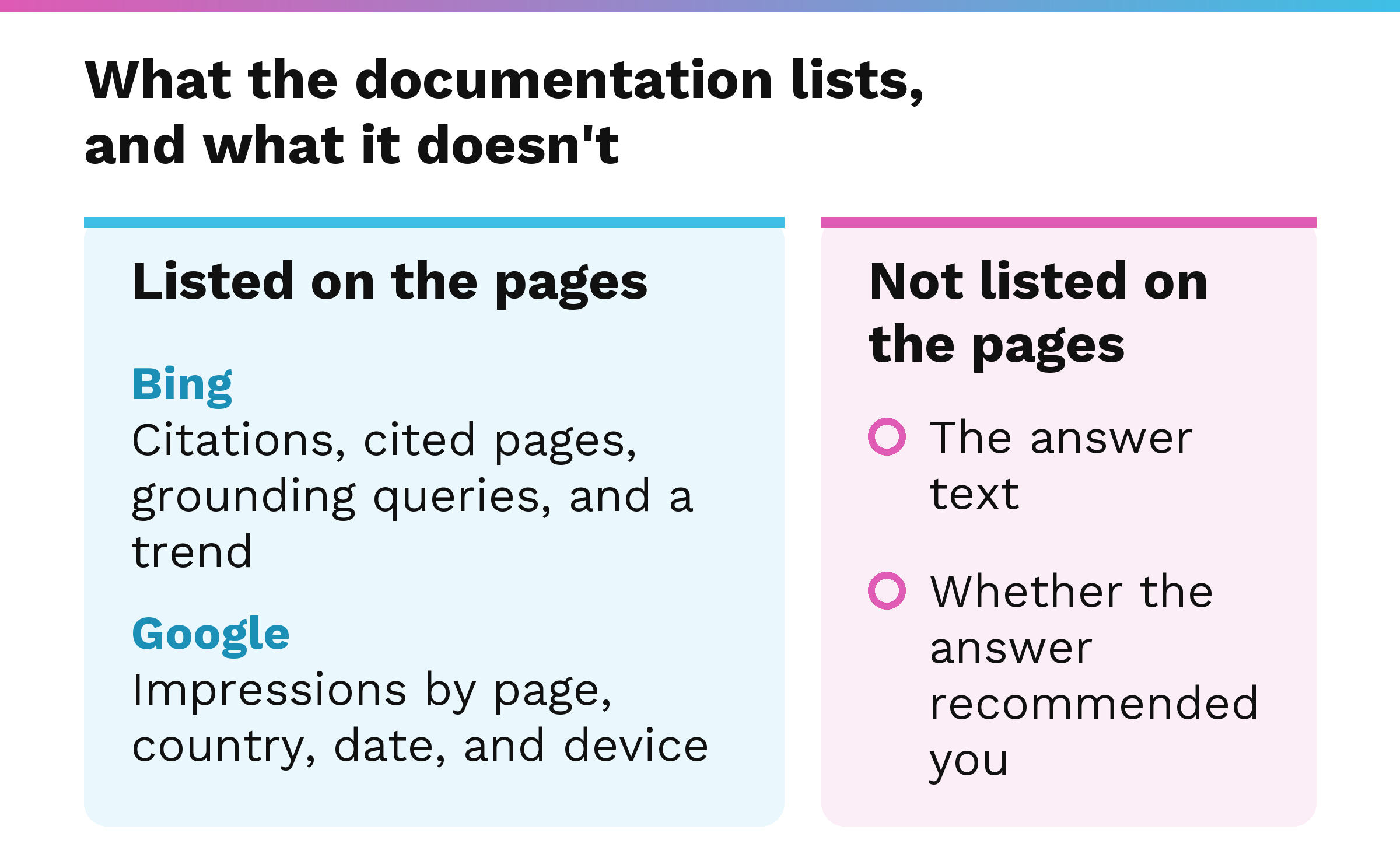
Bing’s February post lists citations, cited pages, grounding queries, and a trend. Bing says the Total Citations measure does not indicate placement, and that Average Cited Pages does not indicate a page’s role within an answer. Google’s Help page lists impressions over time, by page, by country, and by device. Neither Bing’s two posts nor Google’s Help page list the text of an answer, or whether the answer recommended you.
What these pages do not say:
- whether ChatGPT is among Bing’s partner integrations
- how many impressions count as “enough” for Google’s report to appear
- whether Google’s report shows clicks (the Help page describes impressions and names no click measure)
The post on share of AI answers covers a way of measuring the answers themselves. Bing calls its additions “early preview.” Google expects to update its list of features. This post describes Google’s and Bing’s pages as they read in October 2026.
What should you do with these reports?
Read each report for what it counts and keep the two apart. The question the owner is really asking is whether AI assistants name you when a buyer asks. I run an AI Visibility Audit that finds out whether AI names you or your competitor. It builds a scoreboard of the buyer questions and engines it tests, with what was actually said. The audit delivers a written plan specific enough to hand to someone else.
FAQ
Does Google Search Console show when ChatGPT cites my site?
The generative AI performance report counts impressions in AI Overviews and AI Mode. Google’s Help page for the report does not name ChatGPT. Google’s word for what it counts is impressions.
Does Bing Webmaster Tools show ChatGPT citations?
Bing’s AI Performance report counts citations across Microsoft Copilot, AI-generated summaries in Bing, and select partner integrations. Bing’s posts do not name the partners and do not name ChatGPT.
Why can’t I see the generative AI performance report in Search Console?
Google’s Help page notes, “As of August 31, 2026, we’ve rolled out these insights to all websites worldwide.” If you still cannot see the report, it says, “This usually happens when your site hasn’t received enough impressions in generative AI features on Google Search.” You may also have excluded your site from Search generative AI features. Google’s Search generative AI control page places the setting under Settings > Search generative AI in Search Console.
Can I add Bing citations and Google impressions together?
No. They are different units, and the pages this post cites do not relate one to the other.
What are OAI-SearchBot and ChatGPT-User?
OpenAI’s crawler page says OAI-SearchBot is used to surface websites in search results in ChatGPT’s search features. The same page says ChatGPT-User may visit a web page when users ask ChatGPT a question, and that ChatGPT-User is not used for crawling the web in an automatic fashion.