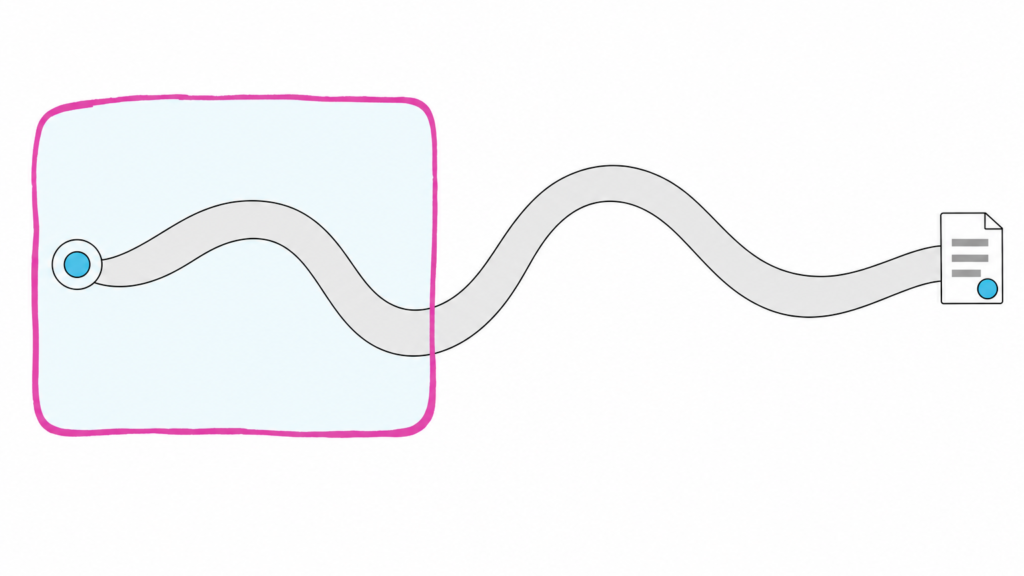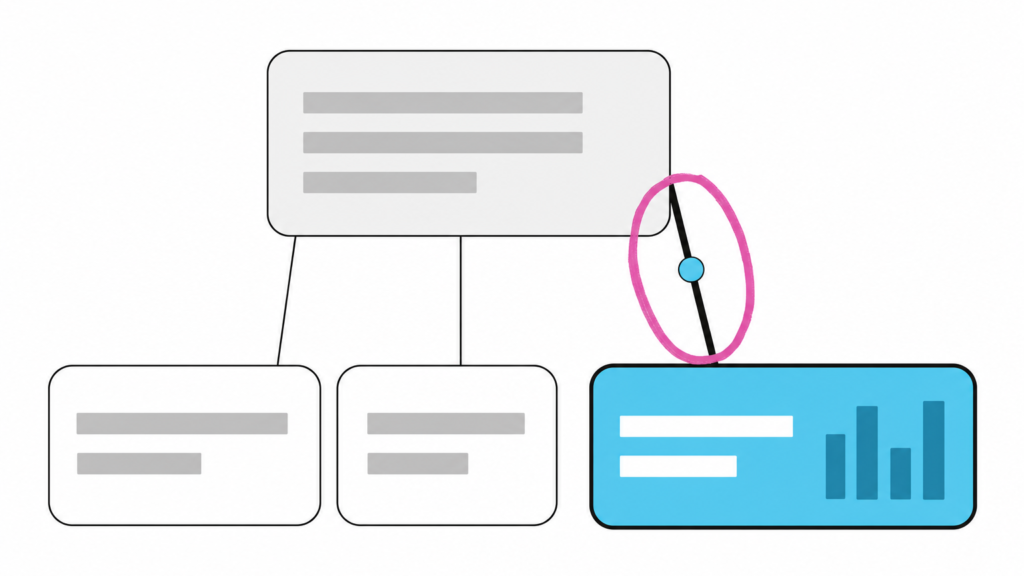
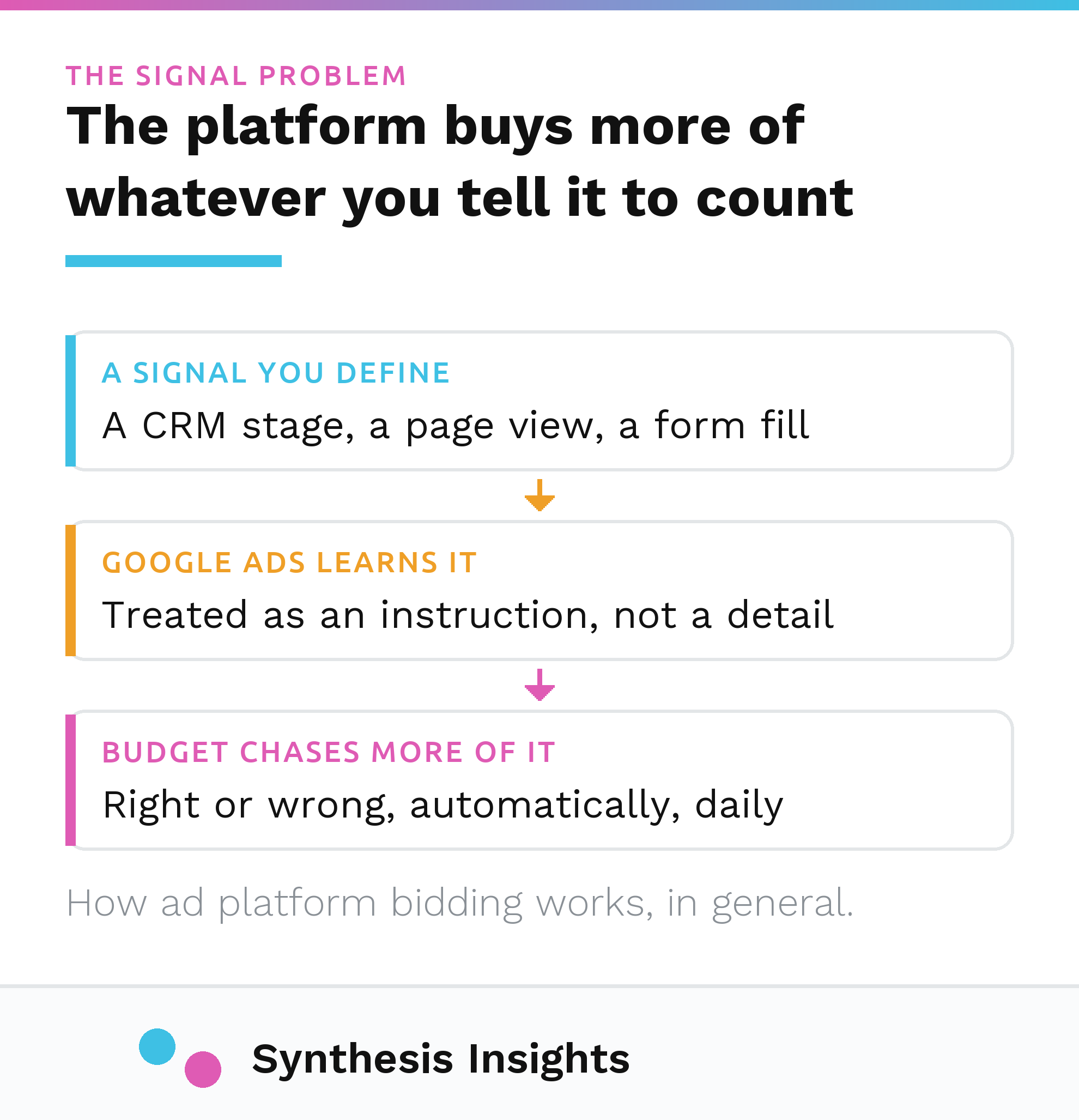
Google Ads is buying leads that do not close and you are searching for answers about lead quality. The answer starts with the signal. The platform spends your budget every day chasing more of whatever you told it counts as a conversion.
That instruction is not abstract. Your daily budget is allocated against it, and when the signal is wrong the money buys the wrong clicks before anyone checks the CRM. The cost is money spent on a wrong instruction.
We audited one lead-gen account we now run. It was not built by us. It accumulated settings over time from different hands, and the audit surfaced a series of failures that explain why the leads looked good in the interface and fell apart in the pipeline. The first one sat inside a CRM stage that had every appearance of measuring quality and measured nothing of the kind.
The CRM stage that looked like qualification
The obvious way to fix lead quality through the ad platform is to stop counting form fills and start counting the CRM stage where sales says a lead is real. In this CRM that stage is called sales-qualified.
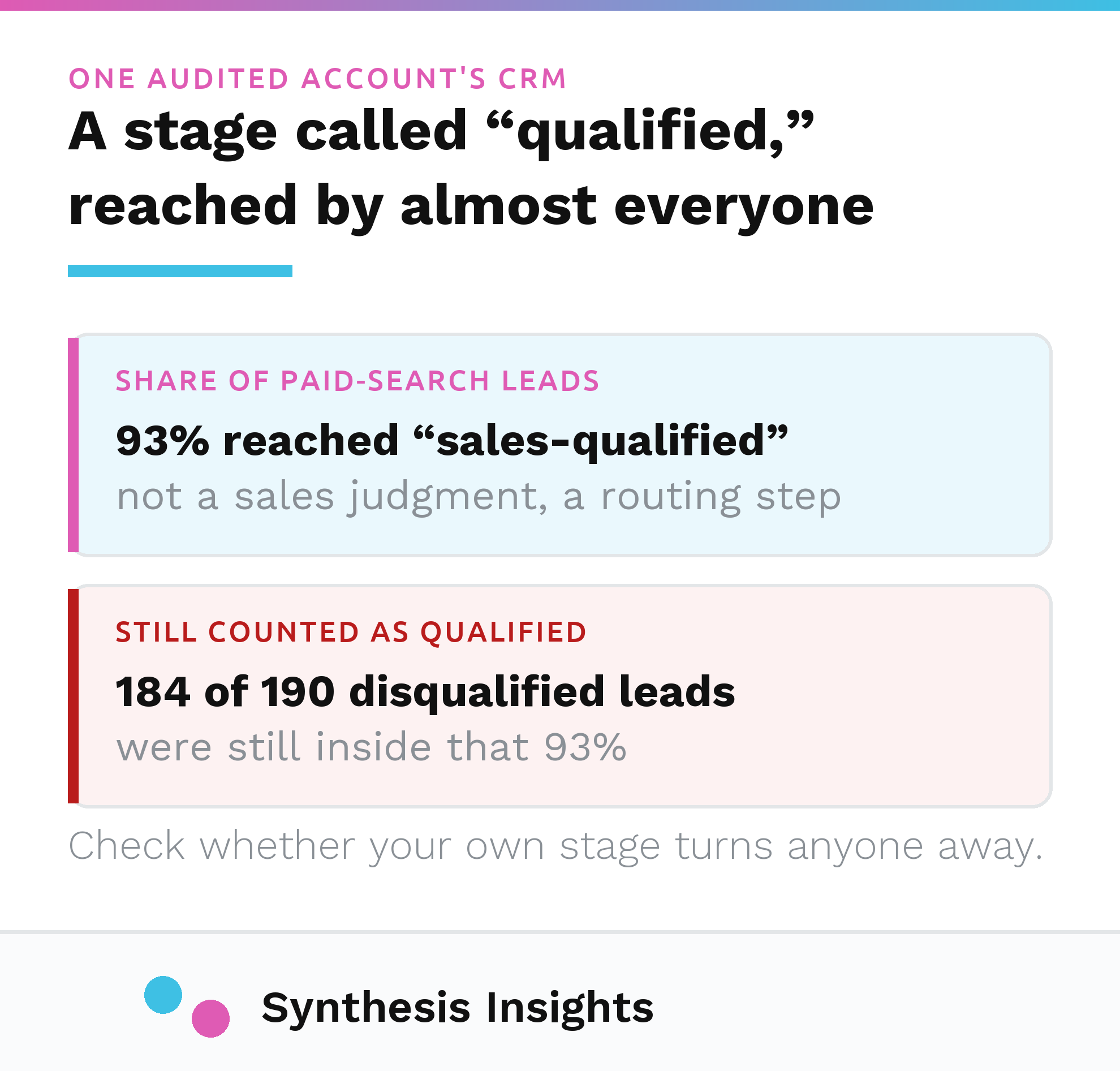
Ninety-three percent of the paid-search leads in this CRM reached that stage. The 93% included 184 of the 190 contacts that were later disqualified.
In this CRM, sales-qualified is not a judgment call; it is a routing step that nearly every contact reaches on the day they arrive. An account bidding toward it would have been bidding toward a stage that turns almost nobody away, and Google Ads would have reported that as success.
Whether the stage your CRM calls qualified actually separates anything is a question to ask of your own data. The ad platform cannot answer it for you.
What Google Ads was actually being told to count
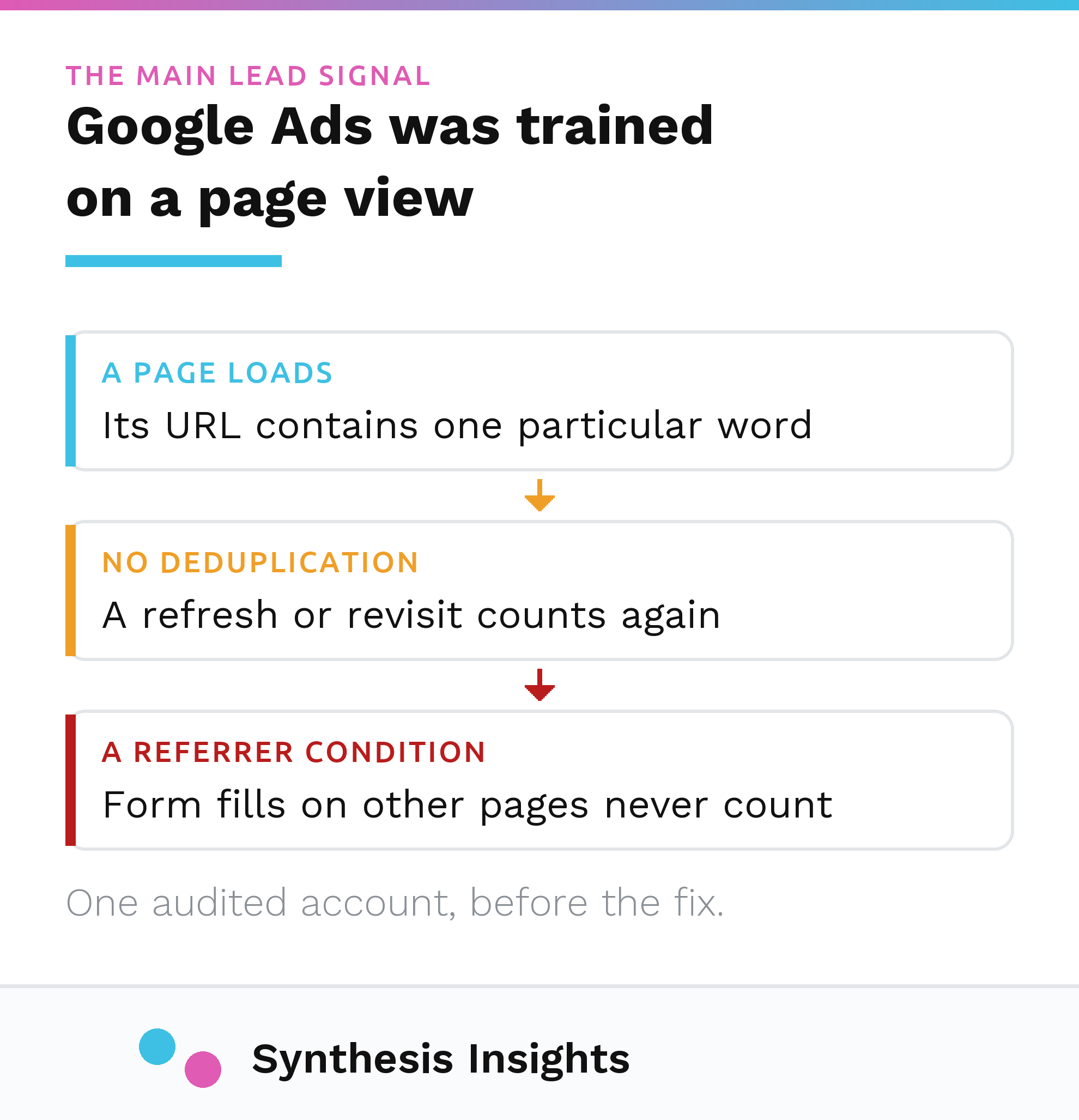
The conversion the account bid on as its main lead signal was an analytics event that fired on a page view. The full web address of that page contained a particular word. The event had no deduplication, so refreshes and return visits both added a count. It also carried a condition on where the visitor came from, which meant form fills that happened on other web addresses never counted at all. So the signal Google Ads was trained on was a page view.
The CRM data was already arriving and none of it could be used
A connection between the CRM and the ad account already existed. One conversion fired whenever a contact moved to any of five stages in the sales pipeline, and it counted every one of those moves. It carried a deal value that changes as a contact moves through the pipeline, which makes it an estimate at every stage before the last one. A single contact triggers the conversion once at every stage it passes, so the same deal contributed value more than once at different amounts.
That single conversion’s count and its value each meant several things at once. No campaign could be steered on it. We separated that one conversion into three, one for each stage that mattered to bidding.
Every value in the account was inherited
The audit found that every conversion value in the account was inherited from whoever set it, and could not be traced back to what the CRM says an outcome is worth.
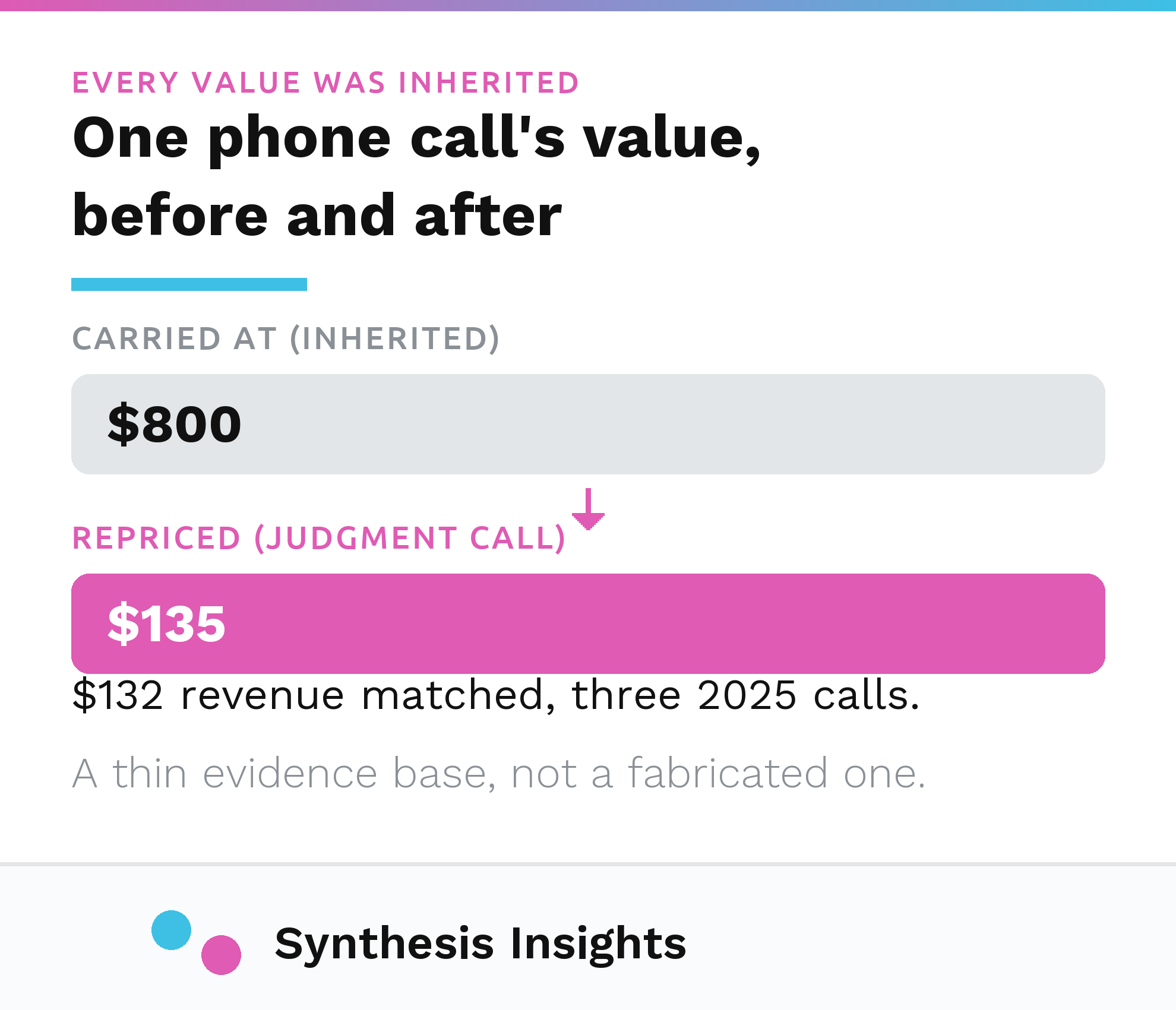
Phone calls were carried at $800. We matched a small group of 2025 calls from new leads to actual CRM revenue and got a return of $132 on three closed deals. We repriced calls to $135, a number set by judgment on a thin evidence base.
Calls stayed in the bidding mix. A caller reaches the CRM without a click identifier (the tag Google Ads attaches to each ad click so it can recognise that visitor later), so the call conversion is the only way a phone lead enters bidding at all. Remove it and Google Ads learns to stop buying the people who pick up the phone.
A cost-per-lead target was telling Google Ads a call and a lead were the same thing
The account was steering on a cost-per-lead target. That instruction tells Google Ads to buy conversions at a set price and treats every counted conversion as worth exactly the same amount.
A phone call and a form fill are both conversions, and the platform has no way to know one is worth more than the other unless the account says so. The target was instructing Google Ads that a phone call and a form lead were the same thing, and the budget was being spent on that instruction every day. Campaigns in this account were capped by budget, so the target does not change how many clicks get bought. It changes which ones.
What we left alone on purpose
We left five old conversion actions in place. Our judgment was that removing them would drop their counted history out of past-period reports, and that history is how anyone evaluates whether a change worked. Google’s documentation on removing a conversion action states that a removed action is archived and can be re-enabled later. One of those five carried 716 counted conversions in 2024.
Three legacy analytics goals had recorded no conversions since 2023 and were still set as primary. Google Ads was still being told they counted. Those goals were hidden and we could not remove them through the interface. One of them pointed at the analytics property of a completely unrelated business.
What this does not fix
A lead that is later disqualified keeps its conversion credit unless it is explicitly retracted.
The new lead signal does not fire when an existing contact fills in the form again. The old event counted those. Losing them is intended, because a contact already in the CRM is not new demand. The new count will read lower than the old one, and anyone comparing the two periods has to know why.
Wins get reported permanently short. The monthly median time from lead to close ran between 13 and 90 days, and the upload has to reach Google Ads within 90 days of the ad click. Google’s documentation on offline conversion imports sets that limit. Some wins never arrive.
Values need rechecking on a schedule and after any price change. A value set once and left alone becomes fiction.
At the time of writing, the new lead conversion had not yet recorded anything. It was built the same day, and the bidding change has a scheduled date and has not been made. Reconciling the new counts against the CRM is the gate that decides whether it happens on schedule or waits.
This is one account and one CRM. It is what we observed.
If you are chasing lead quality in your own Google Ads account, here are two things to look at. Look at what your main conversion action actually fires on. Look at whether any of the values on it were ever traced back to a dollar figure that came out of your CRM.
If an agency set up the account, you can also check who owns your Google Ads account and what that owner can do.
We run paid search for businesses whose leads talk to a salesperson before they buy. The diagnosis above came out of B2B paid search work that begins with the signal and ends with the revenue column. You can read how we structure paid media management for lead-gen accounts that report to a sales team.
FAQ
Why do my Google Ads leads look fine in the platform and fall apart in the pipeline?
Google Ads spends the budget every day chasing more of whatever the account counts as a conversion. If that instruction is wrong, the money buys the wrong clicks before anyone checks the CRM. In the account we audited, the conversion the account bid on as its main lead signal was an analytics event that fired on a page view, with no deduplication, so refreshes and return visits both added a count. The signal Google Ads was trained on was a page view.
Can I fix lead quality by bidding on the qualified stage in my CRM?
Only if that stage actually turns leads away, and that is a question to ask of your own data. In the CRM we audited, 93% of the paid-search leads reached the stage called sales-qualified, and that 93% included 184 of the 190 contacts that were later disqualified. It was not a judgment call. It was a routing step that nearly every contact reached on the day they arrived, so an account bidding toward it would have been bidding toward a stage that turns almost nobody away. The ad platform cannot answer that question for you.
Where should the conversion values in a Google Ads account come from?
Out of the CRM, from what the CRM says an outcome is actually worth. In the account we audited, every conversion value was inherited from whoever set it, and none of them could be traced back to a dollar figure that came out of the CRM. Values also need rechecking on a schedule and after any price change. A value set once and left alone becomes fiction.
Should I remove the phone call conversion if calls are worth less than form leads?
Removing it teaches Google Ads to stop buying the people who pick up the phone. A caller reaches the CRM without a click identifier, the tag Google Ads attaches to each ad click so it can recognise that visitor later, so the call conversion is the only way a phone lead enters bidding at all. In the account we audited we repriced calls rather than removing them, and they stayed in the bidding mix.
Will my conversion count drop once the lead signal is fixed?
It will read lower, and anyone comparing the two periods has to know why. The new lead signal does not fire when an existing contact fills in the form again, and the old event counted those. Losing them is intended, because a contact already in the CRM is not new demand. Separately, a lead that is later disqualified keeps its conversion credit unless it is explicitly retracted.